
Three doors into the same building
Raid finder, normal and heroic all lead into Venomous Abyss, and every season the same question arrives: which door should I take? The answer changes with your gear, your schedule and what you want out of the evening, so here is a plain comparison of what each one tends to feel like, written for players who are deciding rather than for those who already know.
Raid finder: the open lobby
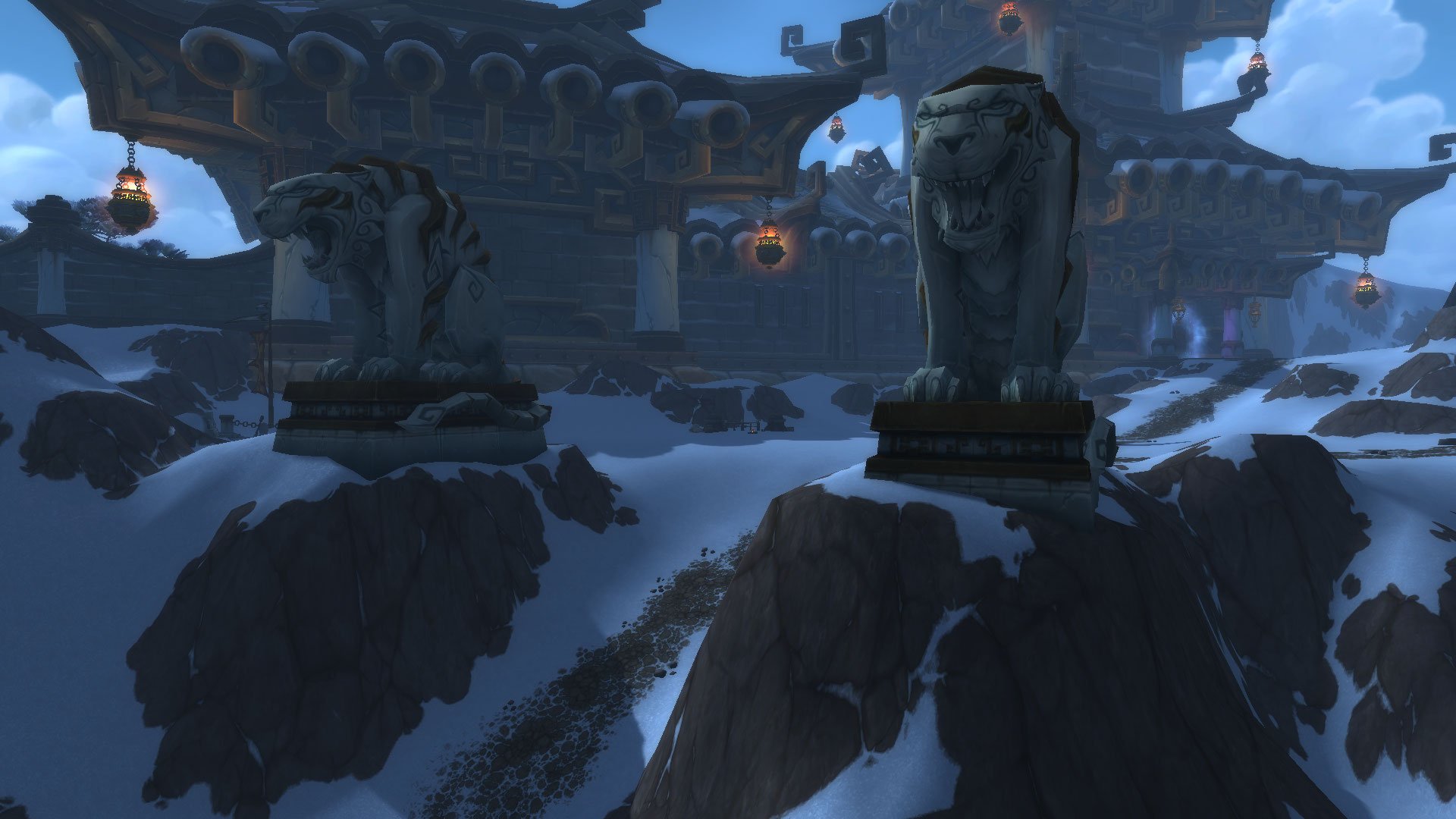
Raid finder is the easiest way in. You queue alone, the game assembles a large group, and you walk through the encounters with forgiving tuning. The big strength is access. You can see the whole raid, hear the story and learn each fight without needing a guild, a schedule or a voice channel.
The cost is control. With so many players and so little coordination, a boss can turn into a loose crowd, and the reward track sits at the bottom of the ladder. Some players find that relaxing. Others find it dull once they have seen the fights, and a few get frustrated when a fellow raider does nothing in a mechanic. If you go in expecting a casual wander, you will enjoy it. If you expect a team, you may be let down.
Raid finder is also the best classroom. Wipes are cheap, the pace is slow and nobody judges you for a missed interrupt. For a first look at Venomous Abyss, it is hard to beat.
A small tip if you queue often: arrive with a few minutes to spare and read the boss summary in the journal. It takes less time than the queue itself, and it turns a passive evening into an active one.
Normal: the comfortable middle
Normal raids bring a tighter group and a real role for everyone. You get a smaller roster, more communication and mechanics that matter. Most guilds start here because it feels like a proper raid without the intensity of the top difficulty.
The upside is the sense of cooperation. You need people who show up, listen and learn, and the satisfaction of a first kill is higher because you earned it. Gear tracks move up a step too, which makes your next dungeon feel better.
The downside is scheduling. A normal group needs a time, a leader and enough players for each role. If one of them is missing the evening wobbles. Pick-up groups exist, but they can be uneven, and a clear plan matters more than good intentions.
Guilds sometimes split their normal clear across two evenings and hold the last bosses for a final push. That is a good model for newer teams because it breaks a long raid into pieces that fit around work and family.
Heroic: the sharp end
Heroic asks for more. Mechanics tighten, mistakes cost whole pulls, and your preparation counts as much as your raw performance. In return, the item track is stronger and the fights are the most memorable of the season.
It is the right door for players who already enjoy Mythic+ and are comfortable with their class. It is the wrong one if you are still learning a rotation or if your group changes every week. Heroic punishes inconsistency more than it rewards ambition, so build the habit of showing up on time with consumables and a clear head.
One more point in its favour: because a heroic team is smaller and more committed, the social bond is often stronger. People remember the nights they spent wiping together more fondly than any loot.
Think about gear as well. A character fresh from the level climb to 90 will lean heavily on dungeon pieces, delves and crafting orders before any raid drop arrives. Fill your weakest slots first, then walk into the door that matches your new item level instead of your ambitions.
A quick way to decide
Ask yourself three questions. How many evenings can you really commit? How much do you enjoy learning a fight in public? And what do you want out of the raid, a story, a team, or a particular piece of gear?
- Short on time, curious about the story: raid finder.
- Want a team and steady progress: normal with a guild.
- Enjoy a challenge and can commit: heroic.
You do not have to pick once. Many players run raid finder to learn, normal to practise and heroic to push, all in the same week. The tracks share an upgrade system, so effort on one door helps on the next.
Remember that the doors are not rungs on a moral ladder. A player who enjoys raid finder for the story is not lesser than one who farms the top difficulty. Both are raiders, and both make the raid worth having.
When the schedule gets in the way
Even with a plan, life interferes. Some players keep a spot in a guild group, some fill gaps through group finder, and some turn to a WoW Raid Boost when their evenings do not line up with anyone else’s. It is one route among many, chosen by a minority, and it sits alongside friends and guild mates rather than replacing them. What matters is that you come out of the week knowing how the fights work and enjoying the game.
Whichever door you pick, start with the version that lets you learn. Skill grows faster in a room where mistakes are cheap, and Midnight has given us plenty of rooms of every size.
A final note for guild officers. If you run a mixed group, post the plan for the week early: which difficulty on which night, who is on the bench, and what to read in advance. People arrive happier when they know what is coming, and leaders sleep better when attendance is not a mystery.
And if you are a solo player with an odd schedule, remember that the door you pick this week is not a contract. Try raid finder on Monday, a normal pick-up on Thursday, and see which one leaves you looking forward to the next reset. That feeling is the only real measure.
Leave a Reply